Guide · Buying
Investing in Nice property
Property investment in Nice: why the city appeals, which neighbourhoods to watch, seasonal versus long-term letting and the key points to check before you buy.
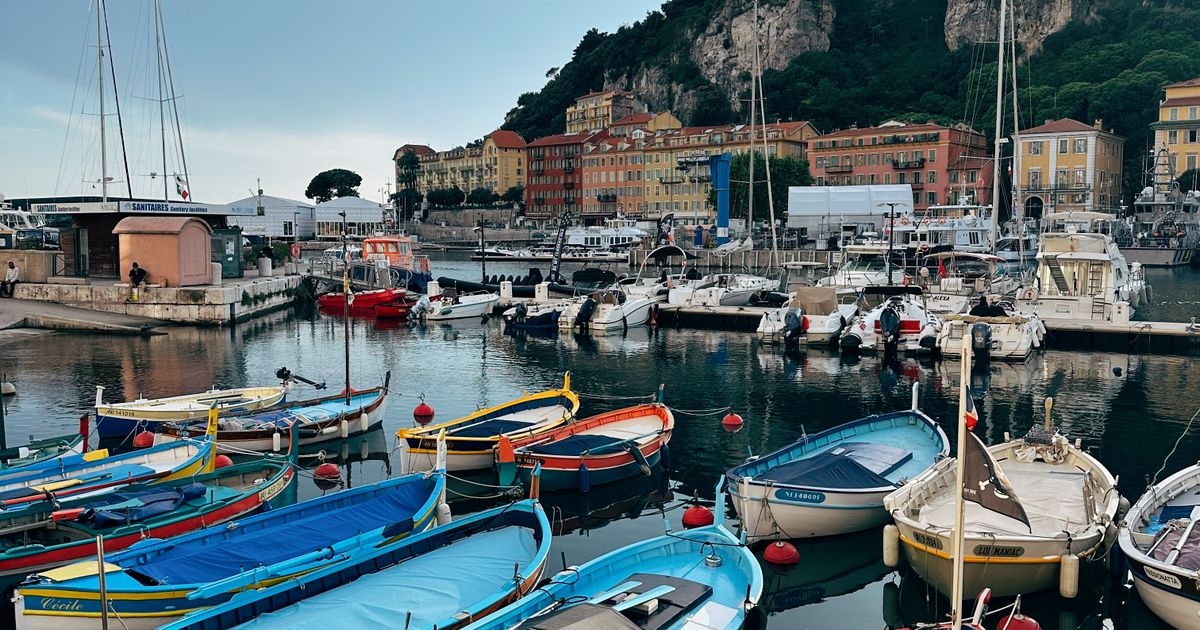
Property investment in Nice has long drawn both French and international buyers, and the appeal shows no sign of fading in 2026. The city combines rare strengths: a sought-after quality of life, rental demand that is both tourist and international, and a segmented market that leaves room for very different strategies.
This article sets the framework for an investment project in Nice: why the city appeals, which neighbourhoods to watch depending on your logic, what separates seasonal from long-term letting, and the points to keep in mind. We talk method and orientation, with no promise of return and no figures: those depend on each property and are checked case by case.
Why Nice appeals to investors
Nice is not a seasonal town that falls asleep out of summer. The mild climate all year round, outdoor life well beyond the high season, the cultural density and the closeness of Monaco, Cannes and the hinterland sustain continuous appeal. For an investor, that means demand which does not rest on a single month of the year.
Several drivers feed this appeal:
- A long-established international community, with bilingual schools, high-standard healthcare and a dense cultural life, which supports qualified rental demand.
- Nice-Côte d’Azur airport around ten minutes from the centre, which eases trips back and forth and makes the city reachable from many capitals.
- A segmented property market, from the holiday studio to the Belle Époque apartment and the villa with a view, opening up varied strategies.
- Strong foreign demand, particularly on premium properties and turnkey renovated homes.
This diversity is valuable: it lets you align an investment with a precise goal rather than enduring a uniform market.
The promising neighbourhoods
In Nice, the neighbourhood changes everything, far more than in a uniform city. Each district has its own logic, audience and use. Here are the markers to keep in mind:
- The Carré d’Or and the area near the Negresco: Belle Époque buildings, premium renovated homes, an address sought after by an international clientele.
- Cimiez: bourgeois proportions, gardens, residential calm, prized for high-end long-term letting.
- Mont Boron and Fabron: panoramic views, quiet, areas sought after for exceptional properties.
- Le Port and Riquier: more urban, lively, close to shops, with continuous local life.
- Vieux-Nice and the cours Saleya: historic heart, markets, pedestrian life, much in demand for short stays.
The right neighbourhood depends on your strategy: a studio in Vieux-Nice does not let like a family apartment in Cimiez. The buying property in Nice page details these districts, and the price map helps you place each area without extrapolating.
Seasonal or long-term letting
The choice between seasonal and long-term shapes the whole investment, from the type of property to the management load. Neither route is universally better: it all depends on the property, the neighbourhood and what you can take on.
Seasonal letting draws on tourism, very present in Nice all year round. It involves frequent turnover, a property often carefully furnished, constant responsiveness and a knowledge of the local rules applying to tourist lets, which evolve and should be checked before you invest.
Long-term letting relies on stable international and residential demand. It calls for less day-to-day management, targets a settled tenant, and favours residential districts such as Cimiez or lively areas such as Le Port and Riquier.
The framing is done case by case: we present the logic here, never a promise of performance. One regulatory point deserves genuine attention, notably the rules governing tourist lets, to be validated upstream with the right contacts.
The points to watch
An investment in Nice is secured through attention to detail, especially on older buildings and the co-ownership. A few reflexes avoid unpleasant surprises:
- Examine the co-ownership and the charges of Belle Époque buildings: rendering, lift, roof, minutes of general meetings, works fund, energy rating.
- View out of season as well as in summer: a district lively in August can feel deserted in winter, and aspect is better judged off-peak.
- Frame car access and parking, tight in the hills and the historic heart, which weighs on rental appeal.
- Check the real condition of the property, floor and view included, since value depends heavily on these criteria.
A partner notaire secures the deed and checks the co-ownership: they carry the legal responsibility for the transaction. French Realty orients you towards them, without ever carrying out the regulated act.
Surrounding yourself to invest
Investing effectively in Nice means surrounding yourself with specialists, each in their own role. For the search and negotiation, a partner property finder holding a carte T travels, selects, compares and negotiates under their own responsibility. For rental management afterwards, specialist partners take over, again under their own responsibility.
French Realty positions itself as an introducer: we frame your investment project, clarify your strategy, then connect you with the partner finder and, if needed, with a partner management service. We orient and coordinate; we are neither an agency, nor a property finder, nor a manager. Our non-resident guides and the article buying in Nice as a non-resident go deeper into the legal and tax framework depending on your country of residence.
Getting support
An investment project in Nice benefits from being framed from the outset. French Realty frames your project and connects you with a partner property finder holding a carte T who views, compares and negotiates on site, even at a distance, as well as with the management partners suited to your strategy.
For day-to-day intendance outside rental management, opening, closing, monitoring and coordinating tradespeople, a dedicated concierge can take over, billed by time spent. You move forward well surrounded, each in their own profession, with no blurring of roles and no promise of return: just a clear framework for deciding.
Frequently asked questions
Should you favour seasonal or long-term letting in Nice?
Both make sense depending on your property, the neighbourhood and how much management you can take on. Seasonal letting draws on tourism, long-term on stable international demand. The choice is framed case by case, with no promise of return.
Does French Realty manage the letting of my property in Nice?
No. Rental management is handled by partners acting under their own responsibility. French Realty orients and coordinates, and can provide day-to-day intendance outside rental management through a dedicated concierge, billed by time spent.