Guide · Settling in
Settling into Paris: the first week
Contracts, formalities, address book: the checklist for your first days so you feel at home in a new Paris residence.
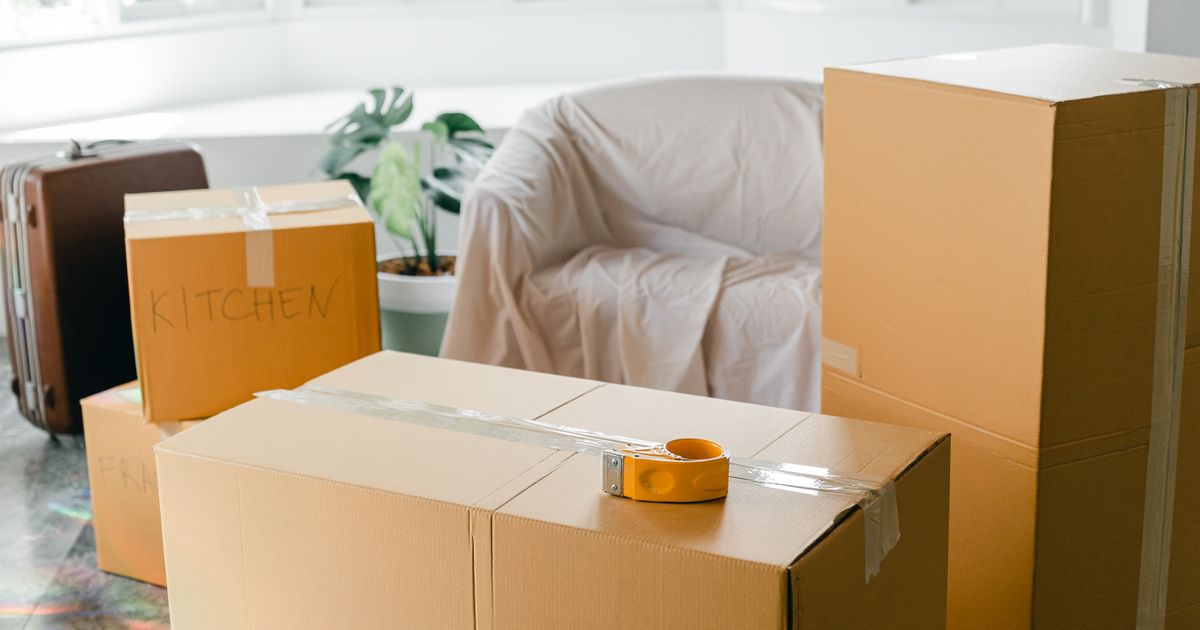
The keys are yours, the boxes are down, and this is where everything begins. The first week in a Paris home sets the tone for all those that follow. It is the moment when you switch the contracts over, open the right files, and learn the way to the bakery and to the on-call pharmacy. Handled well, this week turns an address into a true home.
Here is a method for getting through these first days without forgetting anything, whether you are arriving from elsewhere in France or from abroad. The idea is not to do everything at once, but to put things in the right order, from the most urgent to the most pleasant.
Activating the contracts
A home does not come alive without its connections. Before you even unpack, check that the essentials work and start the contracts in your name.
- Energy: open or transfer the electricity and gas contract, with a meter reading to support it, to avoid paying for the previous occupant’s consumption.
- Water: depending on the building, water is either included in the co-ownership charges or covered by an individual subscription to be put in your name.
- Internet and telephone: this is often the longest lead time. Place the order on the very first day, as a connection appointment can take one to two weeks.
For each contract, note the provider, the customer reference and the renewal date. This short summary will serve you for a long time.
Opening the right administrative files
Some formalities are a precondition for all the others. It is better to start them early, as they take time and often call for one another.
- French tax number: indispensable for many formalities, it is obtained from the tax authorities, online or at the public finance centre of your arrondissement.
- French bank account: a recent proof of address (an energy bill, an insurance certificate) is almost always required. Hence the value of having started the contracts first.
- Home insurance: it is mandatory and is taken out before or as soon as you move in. Keep the certificate, as the co-ownership will ask for it and so will other formalities.
For a new resident arriving from abroad, the challenge is often less the complexity than the language and the right person to speak to. Having the key letters translated and identifying the right counter on the first try saves weeks.
Getting to know your neighbourhood
A neighbourhood is discovered on foot, in the first days, when the eye is still fresh. Take the time to map the essentials around your home.
- Everyday shops: bakery, greengrocer, mini-market, dry cleaner, post office.
- Health: the nearest pharmacy, a general practitioner who accepts new patients, a medical analysis laboratory.
- Transport: the nearest metro or bus stop, the useful lines, the self-service bike stations.
- Market: find the day and place of the local market, one of the best ways to find your bearings in Paris.
Building your address book
Beyond the shops, it is a network of good contacts that makes Paris life run smoothly. Start building it from this first week, noting things down as you go.
- The building caretaker or the managing agent, your first point of contact in case of trouble.
- A locksmith, a plumber and an electrician you can trust, to keep on hand.
- A doctor, a dentist, and possibly someone who speaks your language.
- The tradespeople and services found through recommendation, always safer than the first name found online.
This book, kept up to date, will quickly become one of your most precious possessions.
Receiving deliveries and setting up
The first week is also the week of deliveries: furniture, appliances, boxes sent ahead. Each slot requires someone present on site, within a time window that is rarely precise.
Anticipate the order of arrivals, keep the manuals and the delivery notes, and check each parcel on receipt rather than after the delivery person has left. For assembling furniture or installing appliances, it is better to have the right tools ready and, if needed, occasional help that waits during the slot and checks the work.
Feeling at home
Once the urgent matters are settled, it is the details that make the difference. A few touches are enough to turn a functional home into a place you look forward to coming back to.
- Air the rooms, do a first clean, put the linens in place.
- Fill the fridge with the first shopping from the market.
- Arrange a few flowers, find a café and a table where you will soon feel like a regular.
These simple gestures anchor the feeling of having truly arrived.
Getting support
All of this can be done on your own, provided you have the time, the language and a few Paris bearings. When one of those three is missing, a dedicated concierge changes the first week entirely: a single point of contact who coordinates the contracts, points you to the right counters, supports the translations, waits for the deliveries and builds the neighbourhood address book with you.
At French Realty, this move-in support is billed by time spent, in prepaid hours, with no subscription. We bill our time for support and coordination; official fees and charges remain your responsibility, at their actual cost. You decide when to call on us, and you receive a report at each step. The first week then stops being a race and becomes what it should be: the start of a Paris life.